November 8, 2026 at 7:00pm
Oakwood Village University Woods
6205 Mineral Point Road
Madison, Wisconsin
| Pietà, Signore! | Alessandro Stradella arr. H. Ritter |
|---|---|
| Cello Suite #2 in D minor, BWV 1008 | J.S. Bach arr. H. Ritter |
| Sonate für Clavier und Viola alta, Op. 14 | Max Meyer-Olbersleben |
| Divertimento in G major, Hob. XI:26 | F.J. Haydn arr. J. Fruit |
| Ave Maria | Luigi Cherubini arr. H. Ritter |
| Angel's Serenade | Gaetano Braga |
| Pastorale und Gavotte, Op. 32 #1 | Hermann Ritter |
| Old Souls (2024) | Dylan May |
| Serenade, Op. 72 | Cyrill Kistler |
| Albumblatt, WWV 94 | Richard Wagner arr. Wilhelmj/Fruit |
Jason Fruit, viola alta
Marie McManama, soprano
John Scoville, piano
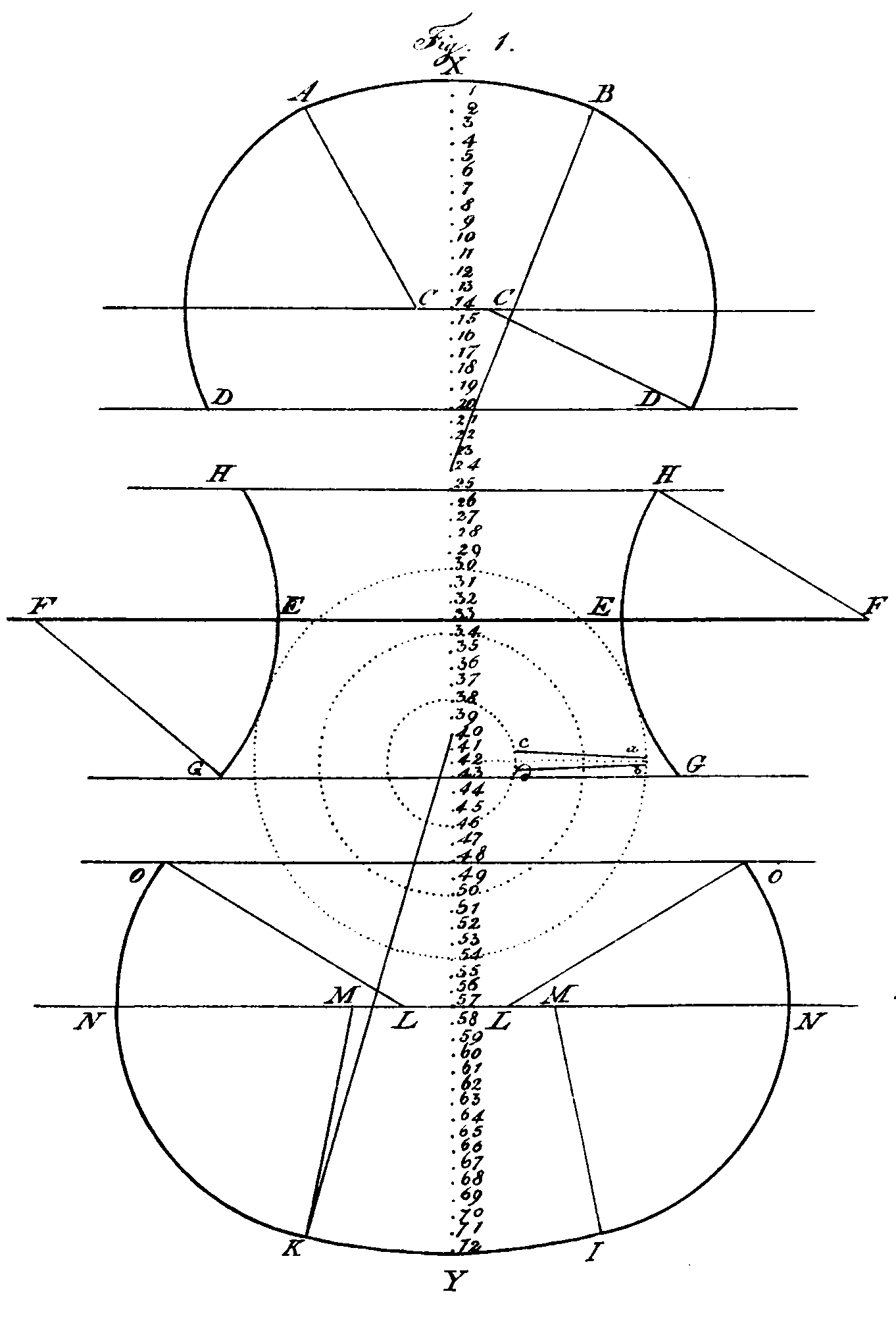
The viola alta (or Altgeige, which means alto violin) is an exceptionally-large viola built exactly in proportion to the violin. It was developed by Professor Hermann Ritter in 1875 to address what he saw as the limited expressive range and dull tone of the small violas generally used in his time. With the encouragement of Richard Wagner, Franz Liszt, Anton Rubinstein, and other prominent musicians, who hailed it as the viola of the future, Ritter took his new instrument on tour, becoming the first international viola soloist. As a result of this and his work as the first dedicated professor of viola in Europe, the viola alta gained attention as a solo instrument, was included in many European and American orchestras, and amassed a considerable repertoire of its own. Ritter retired in 1912, just before WWI spread anti-German sentiment across the English-speaking world, and the locus of solo viola-playing moved to Britain, which produced Lionel Tertis and William Primrose. For all these reasons, Ritter and his viola alta receded from musical awareness, though the instrument has never since been without its advocates and devotees.
When Hermann Ritter extracted his newly-built viola alta from a paper bag at Haus Wahnfried in Bayreuth, these were the first notes Richard Wagner heard him play — and he immediately invited Ritter to be his principal viola at Bayreuth! This aria da chiesa has nothing to do with Stradella; it is an obvious pastiche, probably by Louis Niedermeyer, the composer of an opera, Stradella, though Rossini and F.J. Fétis also have been suggested. This arrangement by Hermann Ritter is from his Repertorium, a collection of two dozen transcriptions for the viola alta, published only months after the first viola alta was constructed.
Bach's cello suites are a treasured part of every violist's repertoire, and we have Hermann Ritter to thank for this: his transcription for viola alta of the first four suites was the first available to violists. He, like most in his day, considered them primarily didactic. From his preface:
It is well-known with what considerable success both violinists and cellists use J.S. Bach's sonatas or suites for their instrument for study. This fact prompted me to transcribe the four J.S. Bach suites for cello alone for viola alta, and to make them available for the study of this instrument... May this splendid study material for the viola alta always find suitable use!Ritter never performed these works in public, but he did use them in his teaching. We now have the evidence of many fine performances that these works fare as well in the concert hall as in the studio.
Max Meyer-Olbersleben was a pianist and composer, a student of Franz Liszt, and professor of composition and piano at Würzburg. When Hermann Ritter joined the faculty there, his colleague was inspired to write a sonata for his instrument. This work was the result, and it became a staple of the touring repertoire of Ritter and his students, receiving positive reviews in the German, Dutch, and English press. It is a congenial work, well-written for both instruments, and its distinctive New German School voice is otherwise little represented in the viola repertoire. (Listen for the famous chord from Wagner's Tristan in the slow movement!)
Haydn's long-time employer, Prince Nikolaus Esterhazy, was an avid player of the baryton, a rare and complicated sort of expanded bass viola da gamba with six or seven bowed strings and a set of sympathetic strings running under the fingerboard, which can be plucked with the thumb of the left hand. Haydn was required to write innumerable trios for baryton, viola, and cello, in which he played the viola part. Of course, the baryton-playing prince always carried the melody. Few ever played the baryton, but its gently penetrating tone makes these works promising material for the viola alta. I have freely arranged this trio for viola alta and piano, and hope the result pleases you as much as the original did Haydn's prince.
Luigi Cherubini was born only a few years after Mozart, but lived long enough to clash with young Hector Berlioz at the Paris Conservatoire. When fashions in opera turned against him, he remade himself as a composer of music for the Catholic Church, writing masses, requiems, and a great number of small works like this one. It was originally for soprano, English horn, and strings, but Hermann Ritter made this transcription so he could perform it with his wife.
Nineteenth-century concerts often made great demands on their audience's endurance; for variety, they often included light works like this one, a constant feature in Ritter's first international tour. The song is a conversation between a worried mother and her sick daughter, who hears angel voices (the viola alta) calling her to join them in Heaven.
Hermann Ritter was not primarily a composer, but as the inventor of the viola alta and its pioneer soloist, necessity and egotism forced his hand. His compositions are in general soundly constructed and correct, but not particularly inspired. One or two, though, still have their charms, including this one, which he frequently included in his own performances. It's not hard to hear in the opening Pastorale the pale echo of Berlioz' Scéne aux champs from the Symphonie fantastique, and the Gavotte has some clever imitative bits and charmingly naïve virtuosity.
I have the honor of offering the world premiere of this delightful work. The composer writes about it:
When writing Old Souls, I thought deeply about the people keeping classic forms of art alive today. I adore old films, old cars, old music, old houses, etc. While I am only 27, I feel a deep connection to the traditions of the past — they speak to me, they make sense to me. In the same way, those who also feel this kinship to the past are like kindred spirits. I feel an immediate bond and sense of understanding, likely because they too are old souls.
Richard Wagner called Cyrill Kistler his "only dignified successor," and if mimicking Wagner's style was all that was required, his opera Kunihild would have secured that position. Its premiere was not a success, but Kistler's friend and admirer, Hermann Ritter, spearheaded its successful revival a decade later. It was no doubt partly out of gratitude that Kistler wrote this Serenade for Ritter and his viola alta, and Ritter, who had always wished for a work by Wagner, was doubtless gratified to receive one from his heir apparent. With its long singing lines, seamless modulations, and rich harmonies, this work is an undeservedly forgotten gem.
When Hermann Ritter was leading the violas of Wagner's orchestra at Bayreuth, August Wilhelmj led the first violins. He also freely "paraphrased" for violin and piano a number of Wagner's works. The most famous of these is this Albumblatt, originally for piano, which Wilhelmj transposed and expanded considerably, to Wagner's approval. Hermann Ritter transcribed the same work for viola alta, but I have not been able to locate a copy; it may never have existed beyond a line in a publisher's catalogue. For that reason, I've adapted Wilhelmj's version for the viola alta, returning it to Wagner's original key and adjusting the registers to suit the viola alta's unique voice.