Hermann Ritter was born in 1849 in Wismar, the son of a railroad conductor. As a young boy, he was so moved by the singing of the great polyphonic works by the choir of the church in nearby Schwerin that, without telling his parents, he asked to be allowed to join as an alto. He was accepted, and received a good basic education in music.
When his voice broke, he chose to learn the violin, and made such progress that the Grand Duke awarded him a scholarship to study in Berlin with Adolf Grünwald, and eventually Joseph Joachim. After concluding his studies, he became first a violinist in the court orchestra at Schwering, and then conductor at Heidelberg, where he was so disappointed by what he saw as factory methods of music-making that he quit with an angry letter. He decided to pursue a doctorate at Heidelberg University, where he had the opportunity to study with Dr. Ludwig Nohl, a pioneering professor of music history. During his studies, he supported himself by teaching violin and performing on the viola.
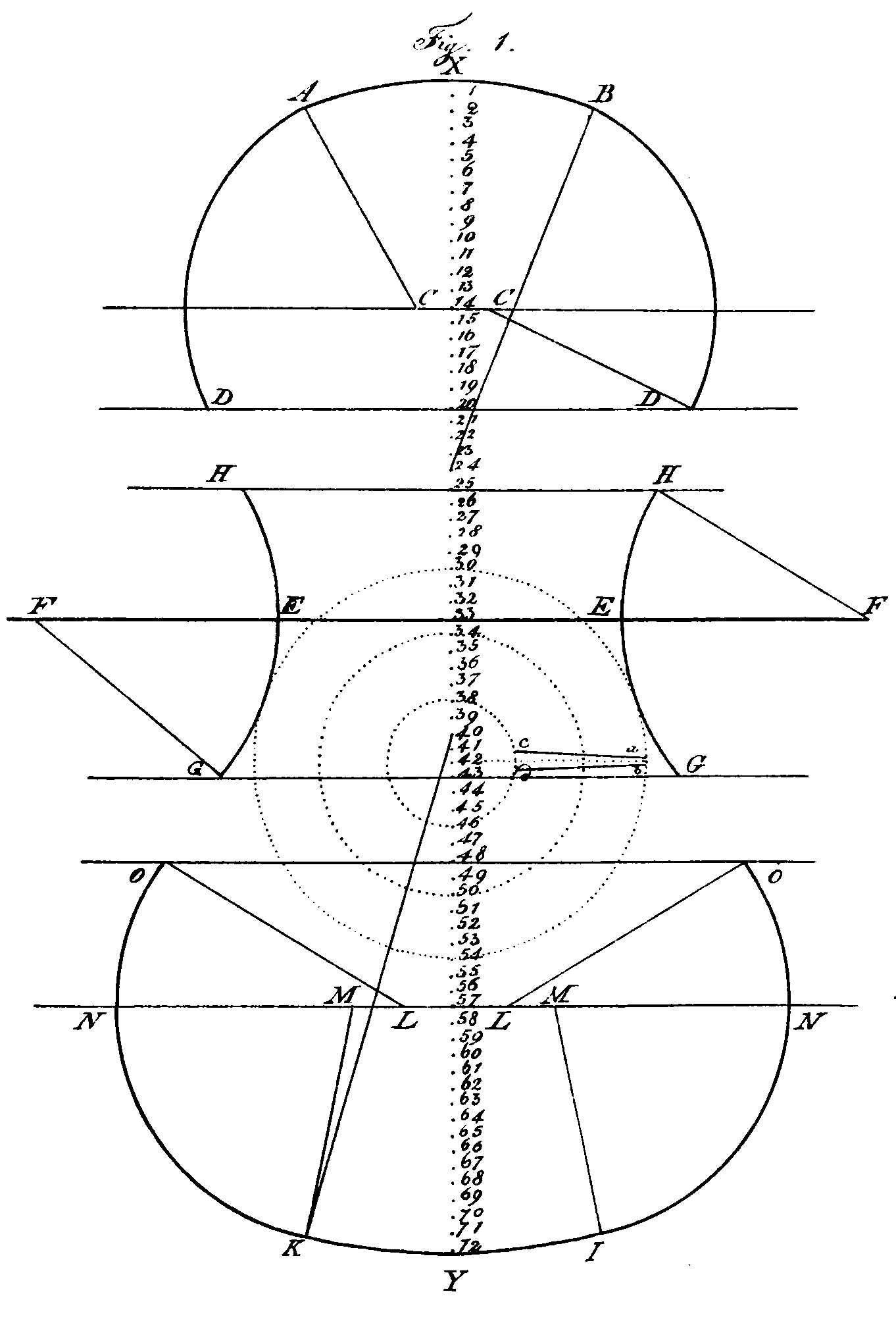
Ritter became enamored of the viola and its music, but believed that its expressive range was insufficient to match the violin and cello. He agreed with the luthier J.B. Vuillaume and the acoustician Felix Savart that the problem was the mismatch between the viola's pitch and its size; in comparison with the violin, he reasoned, its body should be about 19 inches long instead of the usual 15-16½. In his studies, he encountered Antonio Bagatella's Rules for the Construction of Violins, Violas, Violoncellos, and Violones, which included a method of laying out the outline of the violin at whatever size was chosen; following these rules, he designed an instrument matching his theory. He approached several luthiers with his design, and finally convinced Karl Adam Hörlein of Würzburg to produce it for him.
Ritter was very pleased with the result, which he called the viola alta, and through the efforts of Dr. Nohl, he secured an audience with Richard Wagner. Wagner was immediately impressed, so much so that he invited Ritter to lead the violas of the Bayreuth Festival orchestra for the premiere of the Ring. He also wrote a letter of recommendation for Ritter and the viola alta. Armed with this letter and his youthful confidence, Ritter set off on a tour of Germany, Russia, and Holland, the first international tour by a viola soloist. (He never finished his doctorate.) In his travels, he met and performed for numerous luminaries of his day, including Franz Liszt, who wrote his Romance Oubliée for Ritter, and Anton Rubinstein, who took a special interest in Ritter and his students.
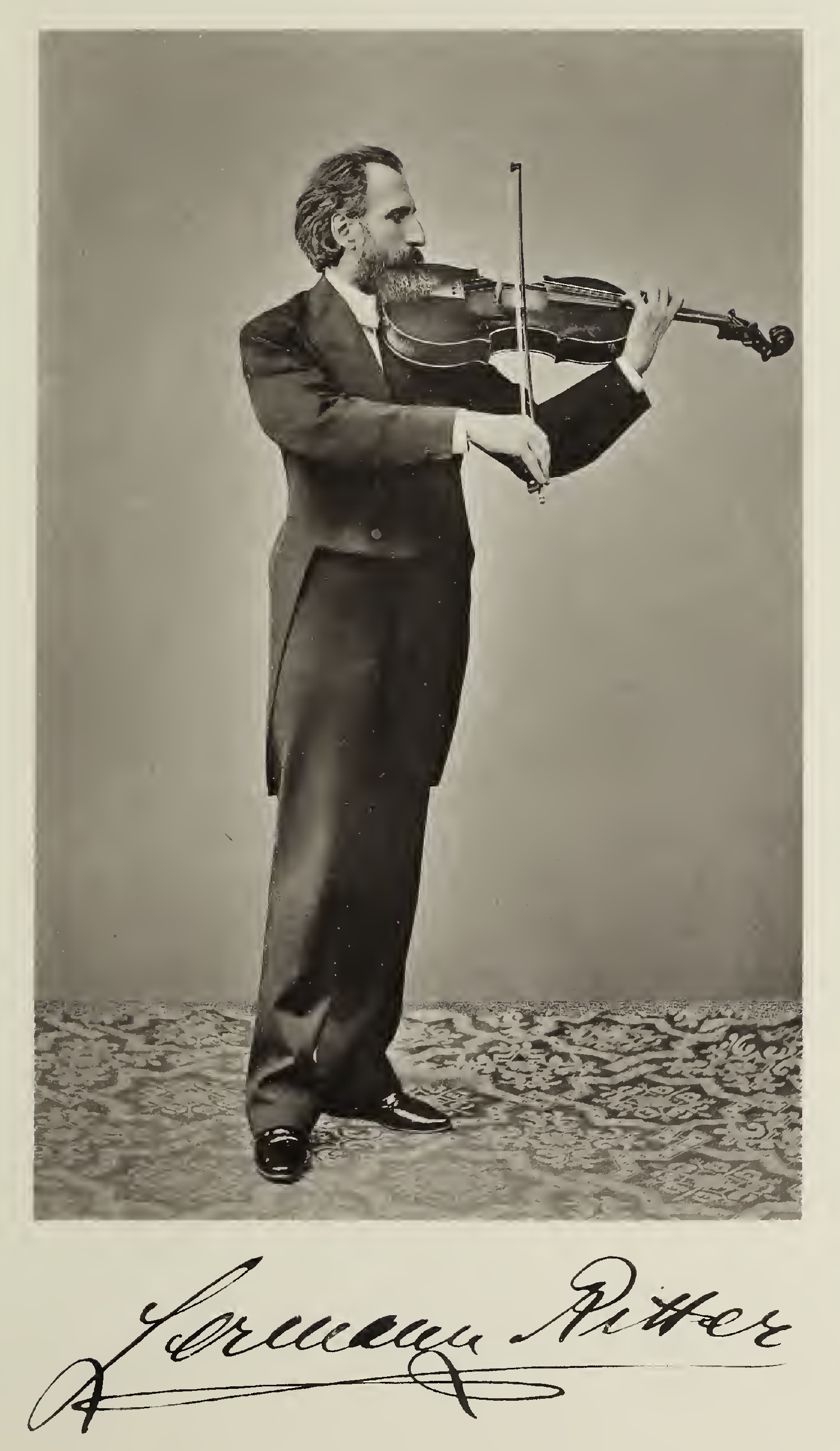
Though Ritter never ceased to tour and perform, eventually traveling to the Great Britain, France, and other countries, he did settle in Würzburg, where he taught at the Königliche Musikschule, the first dedicated viola professor in Europe. Here, he taught students who continued his work as a soloist and held positions in many orchestras in Germany, the rest of Europe, and the United States.
Every violist of the nineteenth century had to concern himself with repertoire, and Ritter, whose instrument was as unprecedented as his solo activity, more than most. To satisfy his own and his students' need for real viola alta repertoire, he published dozens of transcriptions from music for all instruments and from several centuries, including the first transcription of the Bach Cello Suites for the viola. Ritter also composed numerous works for the viola alta with piano and orchestra, and, more valuably, collaborated with Franz Liszt, Hans Sitt, Cyrill Kistler, Philipp Scharwenka, Theophil Forchhammer, Adolf Sandberger, and other composers, who wrote solo and chamber works for the viola alta, often dedicated to him. His students continued this work.
In between all of this, Ritter did other work: he developed additional innovations in musical instruments, such as a three-footed violin bridge, and a new string quartet composed of violin, viola alta, and two additional instruments, a viola tenore an octave below the violin and a viola basso in the same range as a cello, which toured to mixed reviews in the early twentieth century. Besides many books on the viola alta and other musical topics — including a much-renowned six-volume encyclopedia of music history — he wrote a few plays and monologues for the theater, books and pamphlets advocating his advanced views on social questions of the day, books about the Alps, and volumes of what he believed was inspiration and wisdom, among other works. But his greatest legacy, his most compelling claim to lasting fame, is his work on behalf of violists and specifically the viola alta.