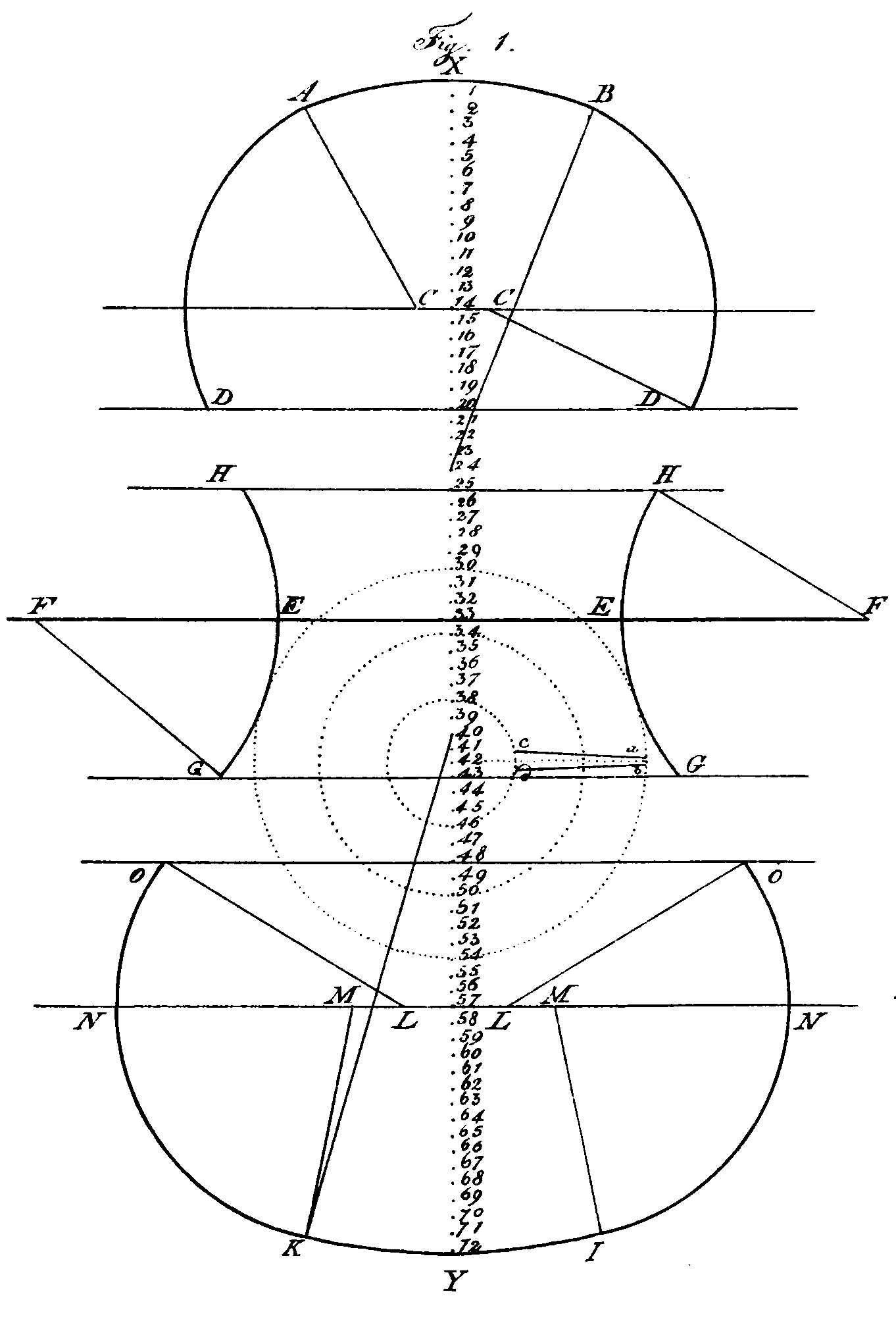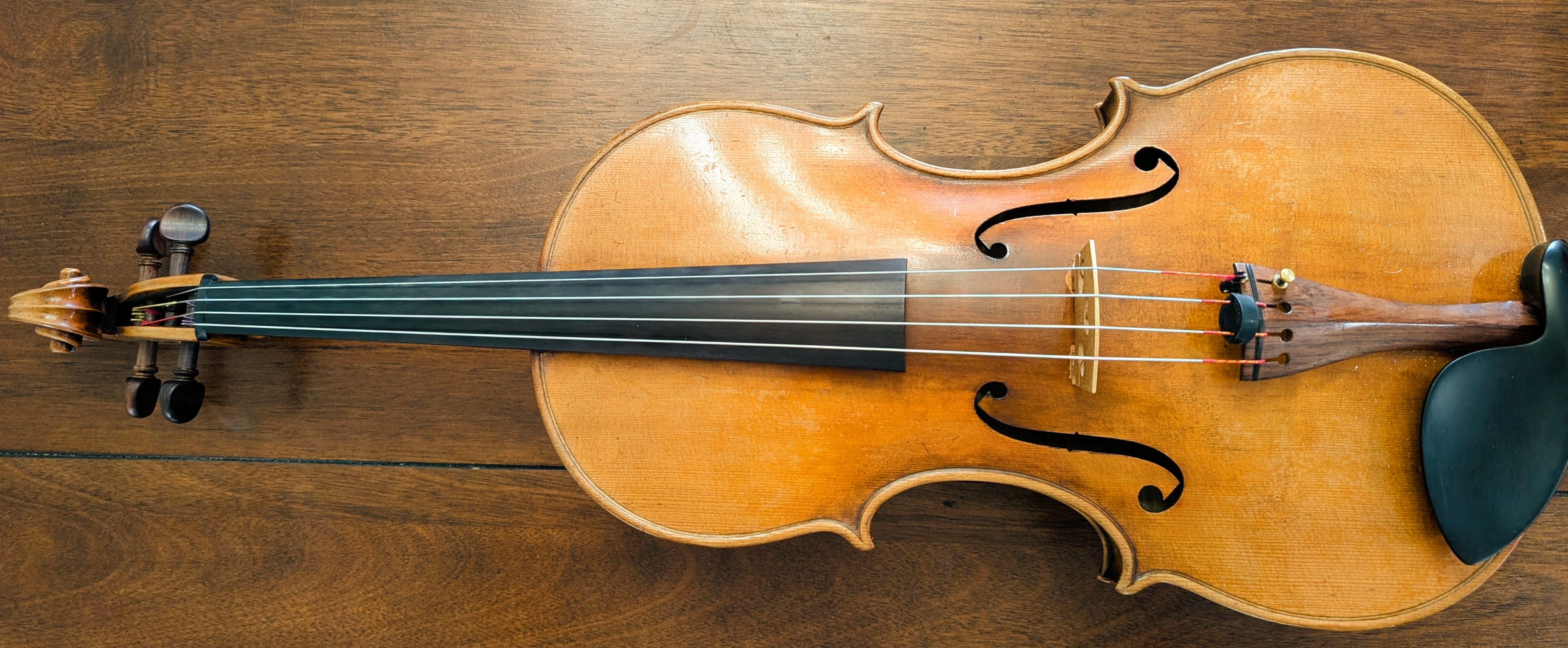
The viola alta, also called the Altgeige or Ritter viola, is an exceptionally-large viola built precisely in proportion to the violin. While the usual viola is about sixteen inches in body length, and built, compared to a violin, disproportionately wide and deep, most viola altas are between about 18 and 19 inches in length, and preserve the proportions of the violin exactly. The viola alta was developed in 1875 by ProfessorHermann Ritter to address what he saw as the limited expressive range and dull tone of the small violas fashionable in his time. Through the efforts of Ritter, his students, and the composers they inspired, the viola alta gained attention as a solo instrument, was included in many European and American orchestras, and amassed a considerable repertoire of its own. About 260 were made to Ritter's specifications by Karl Adam Hörlein, a smaller number by his successor Phillipp Keller, and an unknown number of others by other luthiers, despite Ritter's best efforts and patent — a testament to its popularity at the time. Many have survived, and some are still in regular use around the world today.
From the mid-1890s, Ritter added a high fifth string tuned to E, responding to the increasing use by composers of the highest notes of the A-string, which were hard to reach around the viola alta's large shoulder. The frequency of breakage of strings of such a length tuned so high, combined with what reviewers described as poor effect on the instrument's tone, has induced most players to have these five-string instruments' pegboxes altered and necks narrowed to fit the usual four strings, so few remain in their original state.
With the retirement of Hermann Ritter in 1912, increasing anti-German sentiment during WWI, and the advance of British viola-playing represented by Lionel Tertis and William Primrose, Ritter and his viola alta subsided to a great degree from musical consciousness, though the instrument has never since been without its advocates and devotees.
The tone of the viola alta is brilliant and very powerful, and has a richness and intensity that are foreign to the usual viola. Its upper register is freer and less nasal, and it is in the same relation to a violin as a good contralto voice bears to a soprano. While it can and does play music for the viola, it especially shines in works written with its own special qualities in mind.